











In the agency world, churn isn't just a one-client problem.
When you're managing a portfolio of accounts across multiple teams, even a small uptick in clients walking out the door can create a serious revenue gap — and a pattern that's hard to reverse. The good news: most churn is preventable.
Winning long-term loyalty isn't just about delivering results. It's about building an experience (and a team structure) that clients don't want to leave.

Understand customer churn and why they leave
Churn: it’s that moment when a client decides to pack up and move on, taking their business (and a piece of your revenue) somewhere else. Every agency and consultant deals with it, but if clients keep heading for the door, it’s time to look closer.
Why do clients leave? Sometimes, they’re just not feeling the ROI they expected, so they start wondering if this partnership is worth their while. Other times, big changes on their end have them looking for someone who aligns better with their new direction.
And honestly, sometimes they just feel left out. If clients don’t hear from you often, they might start thinking they’re not a priority.
The bottom line: Keeping clients engaged, informed, and feeling valued is everything— and is the best way to avoid churn.
Spot the early signs of churn
Want to stop customer churn before it even starts? Keep an eye out for these signs that a client might be on their way out:
- They have sudden data requests: When they start asking for extra reports or a deep dive into numbers, they’re probably weighing your value. They’re looking for proof they’re getting their money’s worth—time to show them the magic!
- Their team has had leadership changes: New boss in town? New leaders often come with fresh goals, which might not match up with what you’ve been doing. Get in there early, build a connection, and show them how you can make their new vision happen.
- There’s been less communication from their end: If a client’s suddenly quiet, rescheduling meetings, or putting decisions on hold, it’s a big hint they’re pulling back. Their focus might be shifting, and they could be considering other options.
Catching these signs early gives you the chance to jump in, address concerns, and keep things on track.

Common mistakes that lead to customer churn
Sometimes, even the little things can make clients feel left out. Here are some common slip-ups that can lead to customer churn:
Talking more than listening
No one likes feeling like they’re just being talked at. Clients want to feel heard! Jumping in with solutions before fully understanding their needs can feel dismissive. Take a beat to ask questions, listen to their concerns, and make sure they feel seen, before diving into your plan.
Sharing reports that miss the mark
Sure, numbers matter, but if they don’t connect to what the client cares about, they’re just… numbers. If your reports come off like random stats instead of relevant insights, clients may feel like you’re not really getting them. Keep your insights tied to their goals so they know you’re focused on what matters to them.
Not showing progress
Clients want to see things moving forward. Without regular updates or clear milestones, they might start wondering if anything’s happening at all. Keeping them in the loop shows that you’re on top of things, builds trust, and keeps them excited about the work you’re doing.

Strategies to help avoid churn and keep clients engaged and loyal
Want to build relationships that last? When it comes to how Here’s how to make it happen:
Kick off the customer journey with a rock-solid onboarding experience
First impressions matter, and a strong onboarding experience can set the tone for a partnership that stands the test of time.
When done right, onboarding can reduce customer churn and give clients the confidence that they’re in good hands.
Here’s how to make those early days with new clients feel smooth, organized, and maybe even exciting:
- Nail the handoff: You want clients to feel like they’re stepping into a well-oiled machine from day one. Use a simple handoff template (like “the 5 W’s” or “SPICED” notes) to capture all their key goals, needs, and must-haves. This shows clients you’re organized and that everyone on your team is already in sync. Plus, it reassures them that the details they shared won’t get lost along the way.
- Define what success looks like: Right at the start, talk to clients about what “success” means to them. Nailing down these goals from the beginning keeps everyone focused and gives both you and the client a clear aim. Repeat these goals back to them often to keep the customer journey on track, so there’s no room for surprises.
- Set expectations upfront: Clients feel most comfortable when they know what’s coming next. Talk about how often you’ll meet, who’s going to be there, the data you’ll share, and the key milestones along the way. Laying it all out lets clients know what to expect and shows them you’re committed to delivering an organized, dependable customer experience.
- Showcase your onboarding roadmap: Create a simple visual or outline that shows clients exactly where they are in the onboarding process and what’s coming next. This extra transparency not only makes them feel more involved in their own customer journey, but it also builds confidence in your process, reducing any chance of customer churn.
- Send a welcome gift or personalized message: Start things off with a thoughtful touch, like a welcome email from the team or a quick “getting to know you” call. Consider giving a small welcome gift to make clients feel valued. Little things like this add to the relationship and show that you’re excited to partner with them!
Starting the customer journey with a clear and engaging onboarding experience builds a strong foundation, making customers more satisfied and less likely to leave.
Catch customer churn early by keeping things personal
At 10+ people, the challenge isn't whether your team is invested in clients, it's making sure that investment shows up consistently, no matter who's on the account. When multiple people touch the same client relationship, things can slip through the cracks fast.
Start by reviewing why past clients left and looking for patterns across accounts. Then build a "client health check" system your whole team can use, so early warning signs don't depend on one person noticing them.
And make personalization a process, not just a personality trait. When your reports, updates, and check-ins are tied to each client's specific goals, it doesn't matter if it's the account lead or someone covering for them — the client still feels like a priority.
Make project templates and reports that actually connect
Templates are helpful, but clients want to feel like your work is about their goals. A good project template or report shouldn’t be one-size-fits-all—it should show that you understand their business and needs.
While a standard template is a great start, take a little extra time to make it theirs. Show how your work impacts their bottom line and ties back to their main goals. When clients see that your reports are all about them, it’s a lot easier for them to see the value of working together.
Communicate early, often, and with purpose
For a larger agency, communication consistency isn't something you can leave to individual account managers. One person's great at weekly updates; another sends them when they remember. That inconsistency is exactly what makes clients feel deprioritized — and start looking elsewhere.
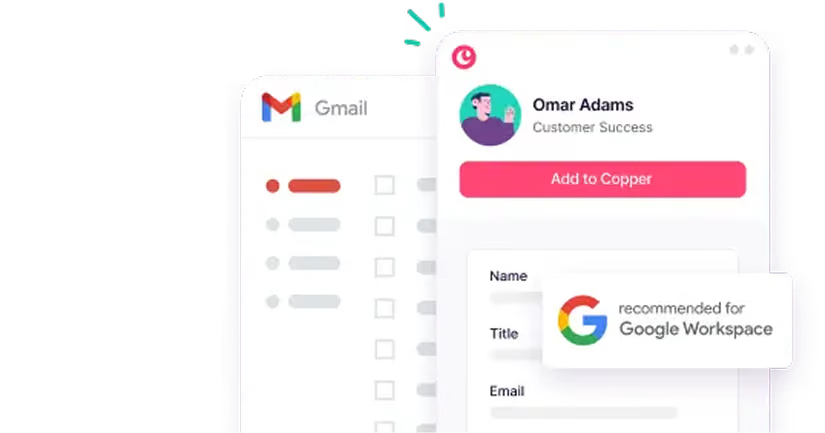
A CRM like Copper is how you fix that at a systems level. Every conversation, touchpoint, and follow-up lives in one place, visible to the whole team. You can set reminders, automate updates, and make sure no client goes quiet without someone noticing. It's not about micromanaging your team — it's about making sure the client experience doesn't depend on any one person having a good week.
Mix in some proactive value-adds too: an industry trend email, a client spotlight in your newsletter, a quick check-in that isn't tied to a deliverable. These touches show clients they're more than an account number — and they're a lot easier to execute consistently when your team has the right infrastructure behind them.
Stay flexible and keep the relationship warm after projects end
Clients’ needs change all the time, so being flexible is a big deal. Set clear goals from the start so you’re all on the same page, even when things shift. Be open to customer feedback and regularly conduct feedback surveys. And, when a project wraps, don’t let the relationship cool off.
Follow up with a results recap, send a friendly check-in, or share an industry update that’s relevant to them. Staying in touch keeps you top-of-mind and reminds them why they chose you in the first place.

Add “avoid churn” to your client strategies
Reducing churn at scale isn't about everyone on your team working harder — it's about building systems that make great client experiences repeatable. From onboarding to ongoing communication to end-of-project follow-ups, the agencies that retain clients longest are the ones that don't leave any of it to chance.
Keep an eye on early warning signs, make personalization a team-wide process, and stay flexible as clients' needs shift. When clients feel genuinely supported — regardless of who they're talking to that week — sticking around becomes the obvious choice.
That's exactly what Copper is built for. If your team is still juggling client communications across spreadsheets, email threads, and memory, it might be time to see what a CRM that actually fits the way agencies work can do. Try Copper free for 14 days and find out how much easier keeping clients gets when your whole team is working from the same playbook.