











You had a great first call. The synergy was there. They were nodding along, asking questions, maybe even dropping hints about budget. You sent over the proposal feeling genuinely good about it.
And then... crickets. A few follow-ups. Some response of, "We're still reviewing it.” And then the email nobody wants to get: "We've decided to go in a different direction."
Brutal, we know. Especially when you know your work is good.
Here's what stings the most though: it probably wasn't your work that lost it. It was the space between the calls. The quiet stretch where you assumed things were moving and they were quietly shopping around. Someone else stayed in their inbox. Someone else followed up with a relevant case study out of nowhere. Someone else felt more present, more interested, more on it.
And that? That's totally fixable.
Why leads go cold (spoiler: it's rarely about price)
When a deal falls apart, the easy story to tell yourself is "they found someone cheaper" or "budget dried up." And sure, sometimes that's true. But honestly? A lot of the time it's not.
Leads go cold because the experience of evaluating you felt a little flat compared to whoever won.
Here's what's actually happening most of the time:
- You were slow to respond. We're talking the difference between five minutes and five hours. That gap matters more than you think.
- The middle went quiet. There's this awkward in-between phase — after the first call, before the contract — where most agencies just... wait. That's exactly when your competitor was sending a thoughtful check-in.
- You sent the proposal and crossed your fingers. Proposals are not finish lines. They're the beginning of the real conversation.
- Nobody actually knew where the deal stood. It fell through a crack because your team was juggling too much and nobody had eyes on it.
None of this is a talent problem. It's a process problem. And process problems have process solutions (which, good news, is exactly what we're getting into).
Signs your lead is about to ghost you
You won't always get a "we're going with someone else" email. Usually leads just... fade. Here's what that looks like before it's too late.
1. They've gone quiet on email
If you've been tracking opens (please be tracking opens) and someone who was consistently reading your messages has suddenly gone dark, that's a signal. They haven't officially said no, but mentally? They might be out.
2. Every timeline is "just a little longer"
"Let's chat after the holidays."
"We're waiting on budget sign-off."
"Give us another few weeks."
One delay is totally normal. Two, okay. Three? Either something real is stuck internally — or they're trying to let you down easy without the awkward conversation. Either way, it's worth asking directly.
3. The questions dried up
Leads who are genuinely excited ask questions. They poke at your proposal, ask about your team, want to know about past clients. When responses get short and vague and the curiosity disappears — that's engagement dropping in real time.
Don't assume the deal is still alive just because they haven't officially killed it.
4. You're only ever talking to one person
If your whole relationship with this prospect runs through a single contact, you're one "I'll loop in the team internally" away from completely losing the thread. You want to be talking to multiple people like the decision-makers, not just your champion. If that's not happening, it's worth gently making it happen.
5. The proposal's been "under review" for two weeks
Two weeks is a long time to review a proposal. If it's been sitting that long, either there's a real internal jam, or the enthusiasm has quietly cooled.
6 Ways to stop losing leads before they say yes to someone else
The truth is, most agencies aren't losing leads because their pitch was bad — they're losing them in the gap between "interested" and "signed." The small delays, the missed signals, the moments where no one was paying attention.
The good news: these gaps are fixable... and most of the fixes aren't as complicated as you'd think.
1. Respond faster than you think you need to
Speed matters so much more than people realize. The agency that responds to a new lead in five minutes vs. five hours is already playing a different game. That first reply sets the tone: it signals that you're on it, that you care, that working with you won't feel like shouting into a void.
The trick is building a system so fast responses just... happen — without someone having to remember to do it. Copper's Forms are a big part of this. Copper Forms automatically capture inquiry details, populate your CRM, assign ownership, and kick off the next steps. When a prospect fills out an inquiry form on your website, Copper automatically creates a Lead record, so you can qualify it before converting it into a Person and Opportunity when the timing is right (and all before you've even seen the notification). They get a response while they're still on your site, still warm, still thinking about you.
That's the window most businesses miss entirely.
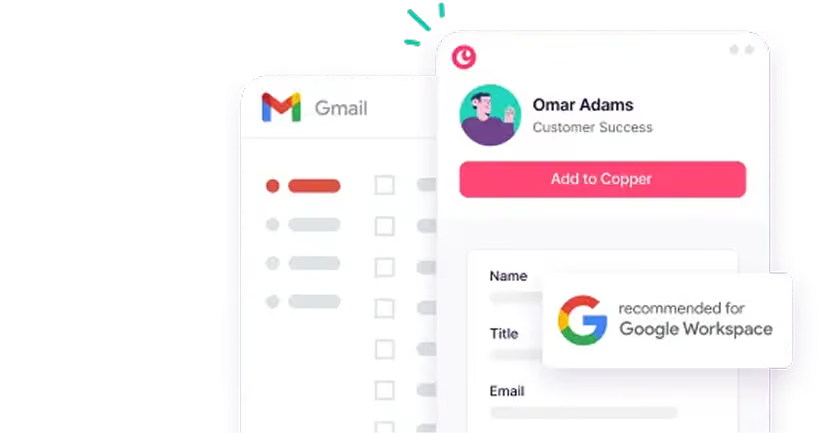
And for everything that comes in through other channels, having your CRM live inside Gmail means new leads surface right where you're already working.
2. Set expectations on day one so leads don't drift
A lot of leads go cold not because they lost interest, but because the handoff from "great first call" to "here's what happens next" was fuzzy. There was no clear timeline, no defined next step, and no real sense of what the process looks like from their side.
Fix that upfront.
At the end of every first call, tell them exactly what to expect: when the proposal lands, what the review window looks like, and when you'd want a decision by. Something as simple as "we usually turn proposals around in 48 hours — does it make sense to reconnect Thursday to walk through it together?" does two things at once:
- It creates a concrete next touchpoint
- And it signals that you run a tight ship
Leads who know what's coming stay warmer longer. And when something does slip, you've got a shared timeline to point to instead of chasing them into the void.
3. Don't go quiet in the middle (or just automate it!)
Here's the thing about service deals: they rarely close fast. There's a whole messy middle stretch (sometimes weeks, sometimes months) where the prospect is still thinking, still talking to other people, still trying to get their team aligned. Most businesses go silent during this phase and just wait.
Don't be that business.
Stay in touch with something useful — not just "checking in!" energy. Think along the lines of:
- A case study that actually maps to their situation
- An article you genuinely thought of them when you read
- A specific question that shows you've been thinking about their business
It doesn't have to be a lot. It just has to be real.
And if staying on top of all of that feels like one more thing to remember — it doesn't have to be. Copper's Pipeline email automations can trigger personalized emails, assign follow-up tasks, notify teammates, and keep deals moving as records progress through your pipeline.You write the message once, in your voice, and it fires at exactly the right moment. So even when things get busy, no lead is sitting in silence wondering if you forgot about them.
4. Figure out who's actually making the decision
Your main contact? Probably not the final decision-maker. They're your internal champion, doing the hard work of selling you upstairs to people you've never spoken to. That's a precarious spot to be in.
Ask early (like, first or second call early): "Who else will be part of this decision?"
Then find ways to get in front of those people. Ask for a quick intro call, a one-pager tailored to their specific function, or send a relevant case study that speaks their language. You want to be in the room (or as close to it as possible) when the decision actually gets made… and not relying on a game of telephone.
5. Make your whole pipeline visible to your whole team
Here's where a lot of small businesses quietly bleed leads without realizing it: the deal lives in one person's head, or their inbox, or a Slack thread from three weeks ago. Nobody else on the team knows where it stands, which means nobody else can step in, follow up, or flag that something's slipping.
A proper pipeline view fixes this. When every lead has a stage, a last-contacted date, and a clear next step attached to it (which is visible to everyone) the whole team can see what needs attention without anyone having to ask.
No more "wait, did we ever hear back from them?" conversations.
No more deals going cold because the one person who knew about it got slammed with other work.
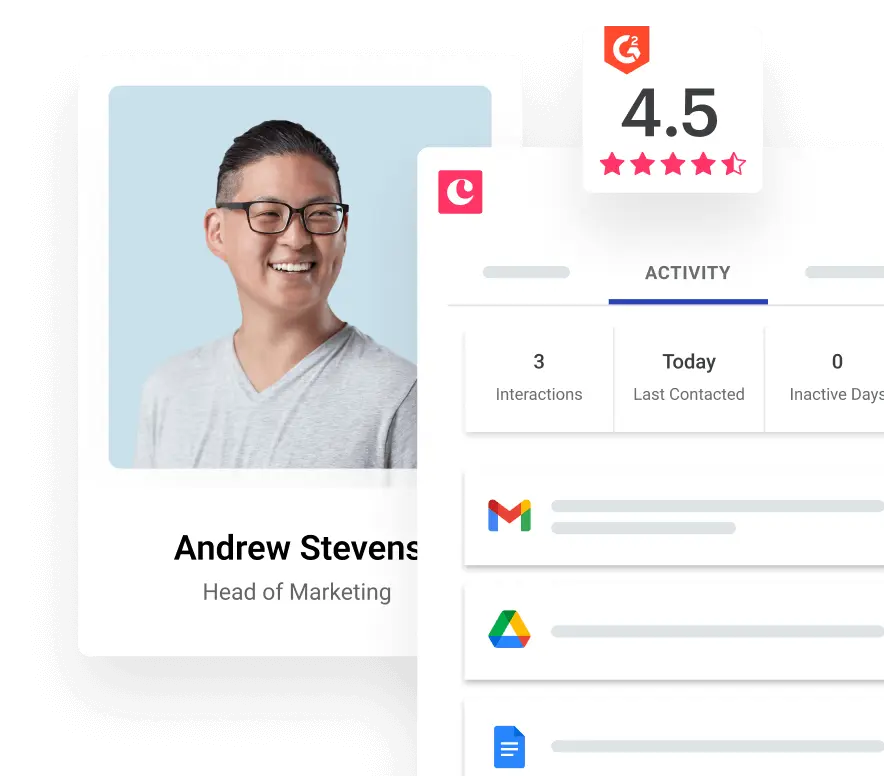
This is exactly what Copper's Feed and Pipelines is built for. With your visual Copper Pipelines, every lead sits in a stage. Cards get flagged when they're at risk. Tasks and due dates live right on the card. And because it's all connected to Gmail, the activity updates automatically (think notes and emails), so your pipeline reflects reality, not just what someone remembered to log.
6. Have a "gone dark" rule and actually enforce it
Pick a threshold (maybe 7 days? 10?) and decide that when a lead goes that long without contact, someone takes action.
And when that moment comes, don't send the generic "just wanted to follow up on my last email" message.
(We all know what those feel like to receive.)
Send something specific: reference a piece of their business, share something actually useful, or just ask the direct question: "Is this still something you're actively moving forward with?"
That question alone will either restart the conversation or give you the closure to move on. Both outcomes are better than limbo.
How Copper makes all of this actually happen
Every tip in this list is doable on its own. But doing all of them — consistently, across every lead, even when your team is slammed — is where the wheels usually come off.
Not because anyone stops caring, but because there's no system catching the things that slip.
Copper is that system.
It lives inside Gmail, so your lead activity gets tracked automatically (every email thread, every reply, every "let's reconnect after the holidays") without anyone having to log a thing.
Your pipelines show the whole team exactly where every lead stands, with flags on deals that are at risk and tasks sitting right on the card so nobody has to ask what happens next.
When a lead hits a new stage, a pipeline automation fires off a follow-up in your voice, at exactly the right moment.
And when someone fills out your contact form, a lead record gets created and an email goes out before you've even seen the notification.
It's not about doing less. It's about making sure the things you mean to do actually happen — every time, for every lead. If that sounds like what your pipeline's been missing, try Copper free for 14 days.