From hustle to flywheel: The dev agency growth playbook
A step-by-step guide to moving from founder-dependent hustle to a system that scales











A step-by-step guide to moving from founder-dependent hustle to a system that scales
Every agency founder starts out as a one-person show. You’re selling the work, coding at all hours, and answering every client email. But if every road still leads back to you, your growth stalls. But don’t think of it as a failure, think of it as a milestone. It means you’ve built demand. Now it’s time to build systems.
Does this sound familiar?
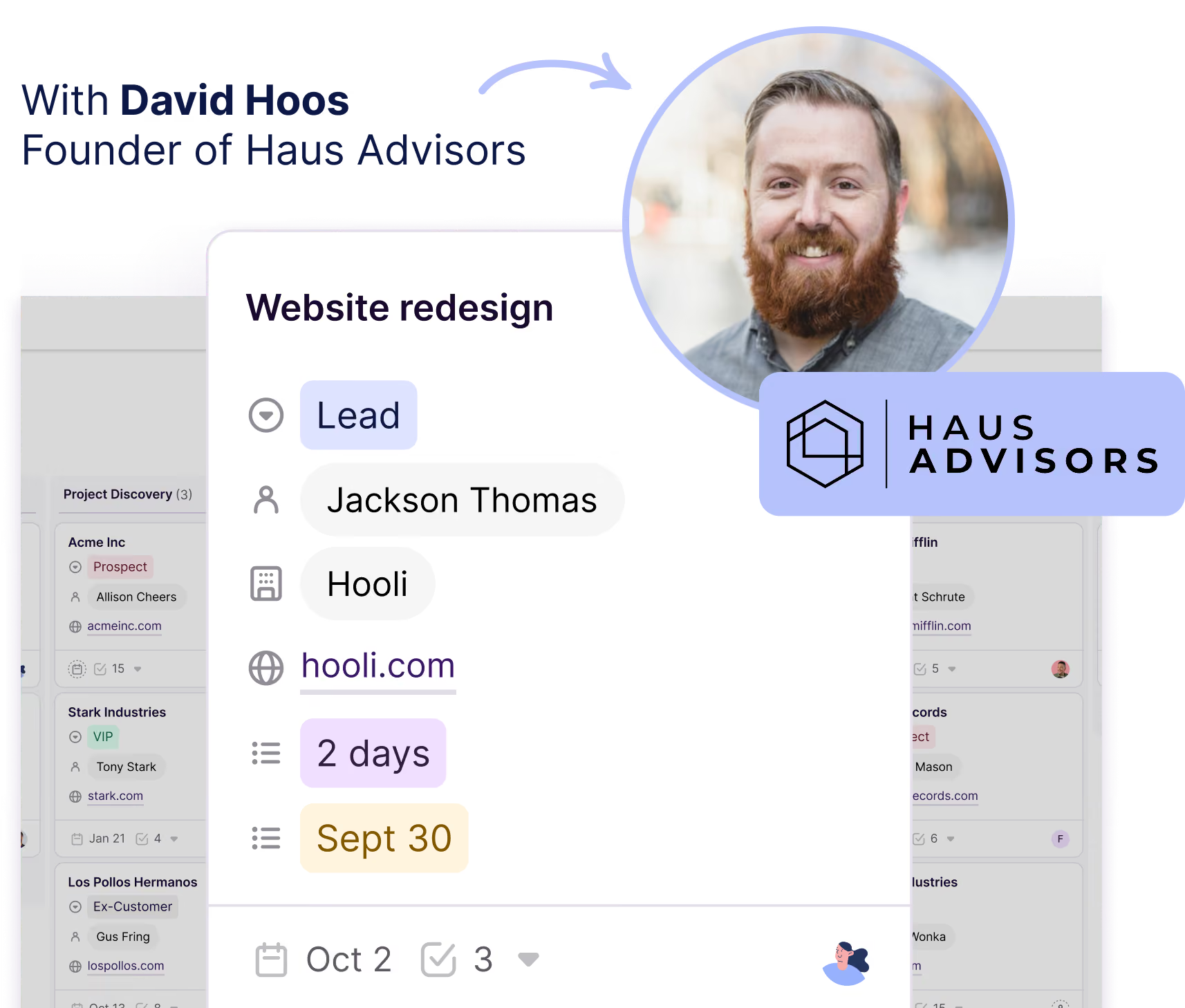
I’m David Hoos, the founder of Haus Advisors, and I’ve spent more than a decade helping agencies make this exact transition: from founder-driven freelancing to scalable, systems-driven growth. And today I’m bringing the frameworks and Copper’s bringing the visibility. Together, we’re giving you a repeatable growth system instead of that one-off hustle.
This playbook is here to help you break that cycle. Inside, you’ll find practical steps to:

If you’re running a dev agency, chances are you’ve already hit some of these walls:
This is where most agencies stall. It’s not because you’re bad at what you do, it’s because referrals and hustle can only take you so far.
Scaling doesn’t mean chasing every opportunity or growing a massive headcount. It means building systems that make growth steady and sustainable. Systems that:
When you hit these walls, it’s a signal: you’ve outgrown the way you started. The next step is shifting from running your agency like a freelancer with extra help… to running it like a business that can scale.
And here’s how to do that.

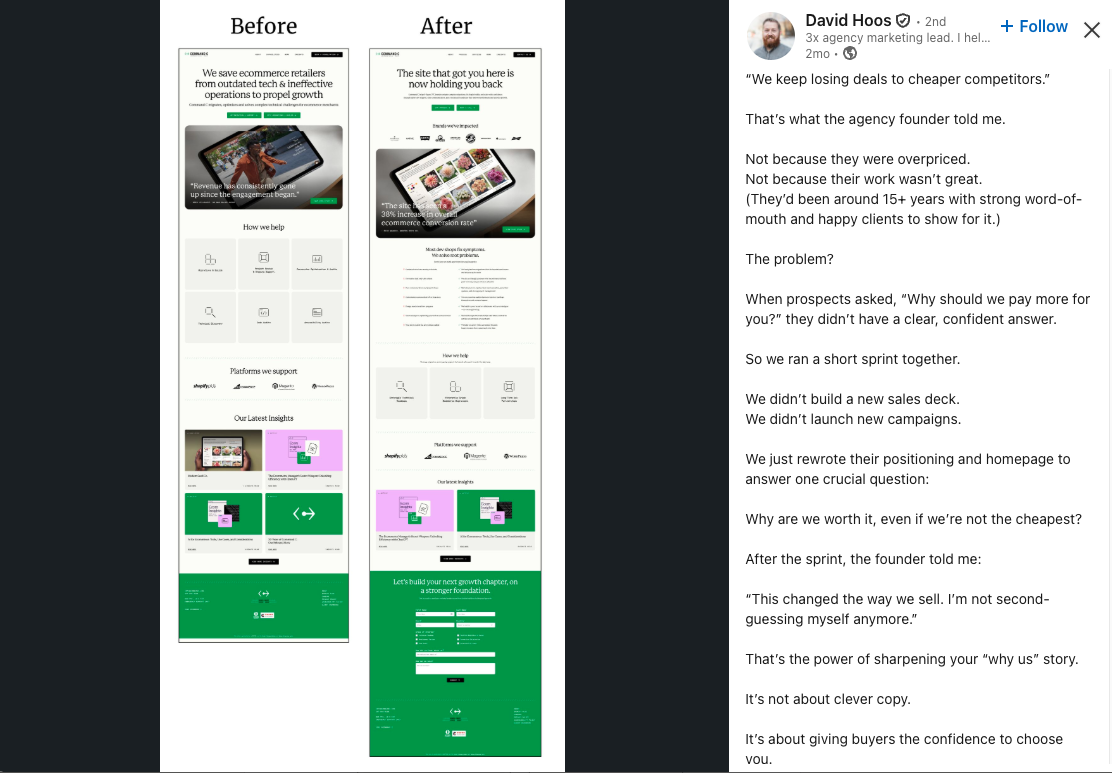
If your homepage sounds like a dozen other agencies, you’ve built a commodity, not a category. Commodities compete on price (and that’s not where you want to be).
Sure, weak positioning feels harmless. Projects still come in, referrals still trickle, but it quietly drags down your growth like an anchor.
Strong positioning changes that. It’s not just about sharper copy. It’s about building a business that naturally attracts the right clients. Most dev agencies stay broad out of fear of missing out, but the truth is: the narrower your focus, the easier it is for the right clients to find you.
Here’s a simple way to start refining your own positioning:
Once you’ve defined that sweet spot, build a dedicated pipeline stage in Copper for those clients so you can see exactly how many are moving through your funnel.
Pro tip: Good positioning makes your marketing easier, but great positioning also makes bad-fit clients self-select out.

Doing great work isn’t enough if nobody sees it. Visibility is what turns good work into a steady pipeline. When prospects regularly come across your wins, insights, and point of view, they start building trust with you before they’ve even booked a call.
The trick is consistency. Two or more posts a week keeps you on people’s radar so when they’re ready, you’re already the obvious choice.Think of it less as “scrambling for visibility when the pipeline is dry” and more as building a steady drumbeat so opportunities keep coming your way.
Unsure about what to post? Stick to three simple buckets to help you generate ideas:
And despite how fast social media moves, this doesn’t have to be a full-time job. Block 90 minutes once a week, write two or three posts, and schedule them out.
Repurpose what you already have (like snippets from proposals, slides from a client presentation, even an interesting Slack conversation with your team, or a blog post you shared on your site).
You don’t need to reinvent the wheel.

Billing by the hour feels simple until you grow. Then it becomes a mess of overages, scope creep, and unpredictable cash flow. And it makes planning for the future harder than it needs to be.
Productizing is like refactoring spaghetti code into a clean module. Package once, reuse forever. Your ideal clients know exactly what they’re getting, your team runs a repeatable process, and your margins stop swinging. Instead of selling hours, you package your services into clear, repeatable offers with set outcomes, timelines, and prices.
Start here:
It’s great to start with an appetizer offer for your ideal clients that is a fixed scope, paid discovery type offer. You can solve some of their pressing initial problems, provide a roadmap for ongoing work, and deliver it in a fixed window for a fixed price.
This gives you both an opportunity to test out working with each other, without the high stakes of a long retainer commitment. If they like working with you, then it’s a no-brainer for them to commit to a longer term project.
Don’t just package the work, package the experience. Add elements like a kickoff checklist, a clear timeline, or a client dashboard so your productized offer feels buttoned-up and professional.
What you’ll notice: Sales conversations move faster, projects hand off to your team more smoothly, clients stop second-guessing scope, and your margins become much easier to predict.
Copper Tip: Create a separate pipeline in Copper for each productized offer so you can see at a glance how many ‘Migration Sprints’ vs. ‘Codebase Audits’ are in play and what their close rates are.

The fastest-growing agencies I see don’t cold email strangers, they build a handful of partner pipelines that feed them for years. (think: design studios, marketing shops, or branding firms).
Stop thinking ‘competition.’ Start thinking ‘ecosystem.’ Your clients get a complete solution and both agencies get better deals.
When you send clients to partners you trust, they’re far more likely to send opportunities back your way. Over time, this creates a steady flow of warm, qualified leads that feels a whole lot better than constantly chasing cold outreach.
Make it real:
Copper Tip: Add a custom ‘Partner’ dropdown field on each deal. Tag every referral. In a quarter you’ll know exactly who’s fueling your growth and can show the numbers in partner check-ins.
With just a few strong relationships, you can create a network where leads move both ways and where everyone grows faster together.

A growth playbook only works if it moves from the Google Doc into your daily workflow. That’s where Copper comes in: a CRM built for agencies that need structure without the overhead.
Without a pipeline, deals live in your head and die in your inbox. Copper is like version control for your sales process. Every stage is visible and nothing is lost. A well-built pipeline gives you three things every growing agency needs:
With Copper, you can design pipelines that mirror the way your agency really operates.
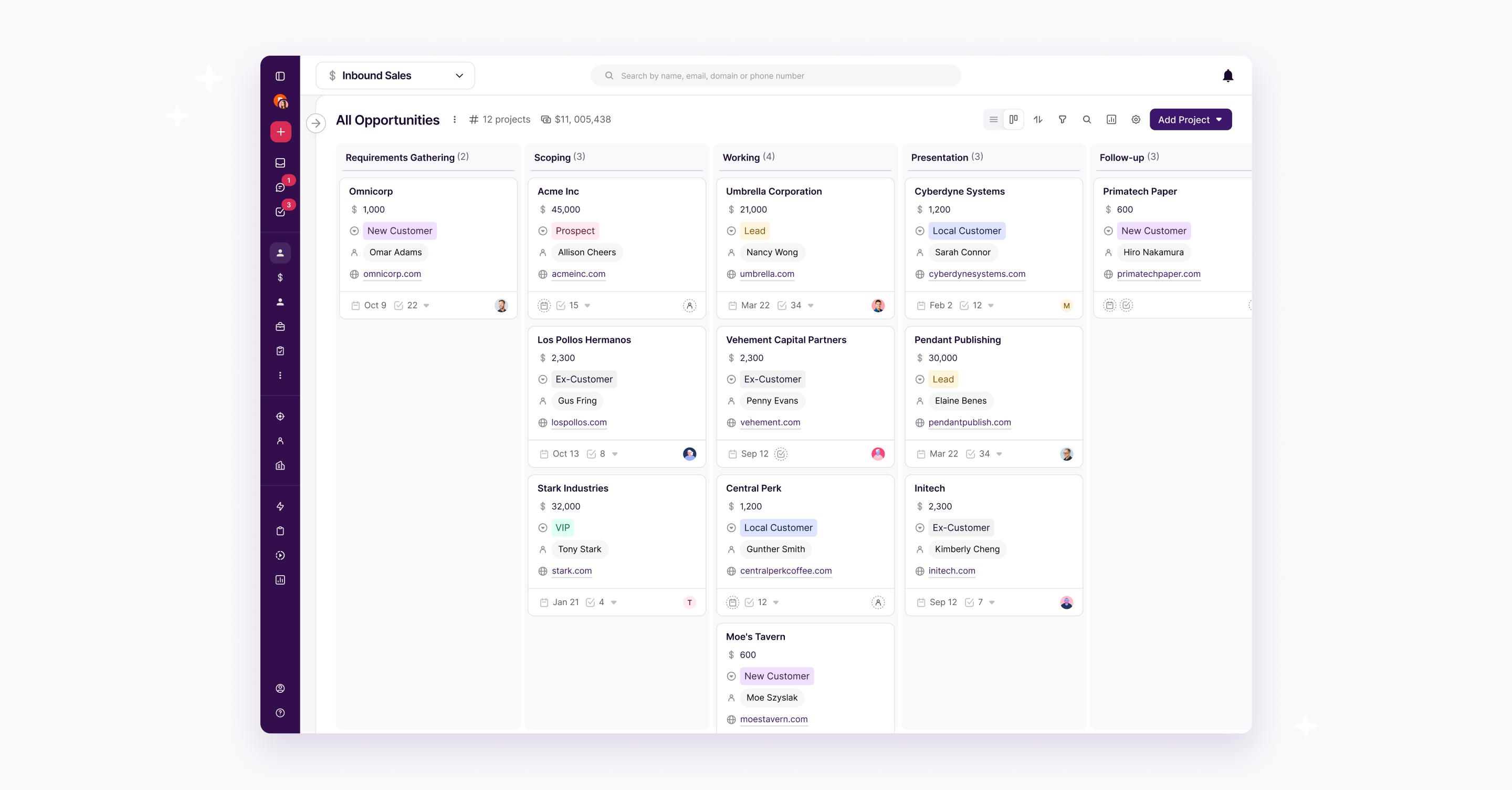
How to do it in Copper:
Pro tip: Once you’ve built a pipeline you like, save it as a template so you can spin up new ones quickly — like a dedicated pipeline for each productized service (e.g., “Migration Sprint” or “Codebase Audit”) without rebuilding from scratch.
Now, spend 15 minutes moving deals, logging notes, and setting next steps.
As your pipeline grows, small things start slipping through the cracks, like that one follow-up email you meant to send, or the kickoff intro that never went out.
Copper’s Pipeline email automations make sure those moments never get missed. Set them up once, and Copper automatically sends the right message when an opportunity moves stages.
Here are a few you can put in place right away:
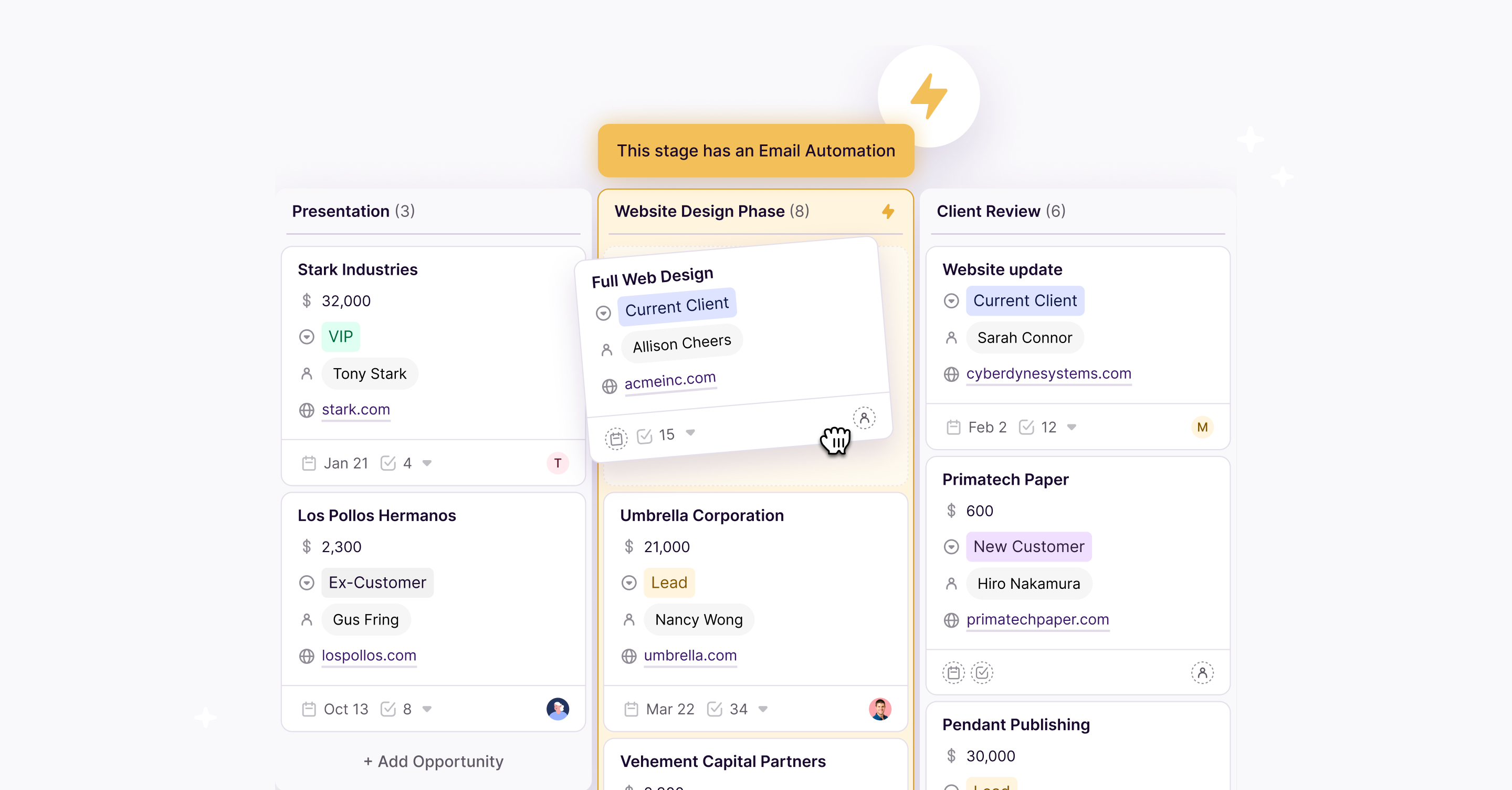
With these in place, every client gets a consistent, professional experience — and you don’t have to worry about things falling through the cracks.
How to do it in Copper (Professional Plan and higher):
Pro tip: Start small. Pick the one place deals usually stall (like “Proposal Sent”) and automate a single follow-up. Once you see how much time (and stress) it saves, expand into automating discovery recaps, onboarding steps, and task assignments.
Metrics aren’t vanity, they’re headlights. They tell you if you’re on pace and where to steer next. With a dashboard in Copper, you can see exactly where your pipeline is healthy and where it’s stuck.
The goal isn’t to stare at numbers all day, it’s to answer two questions quickly: Are we on pace? and Where do we need to adjust?
What to track:
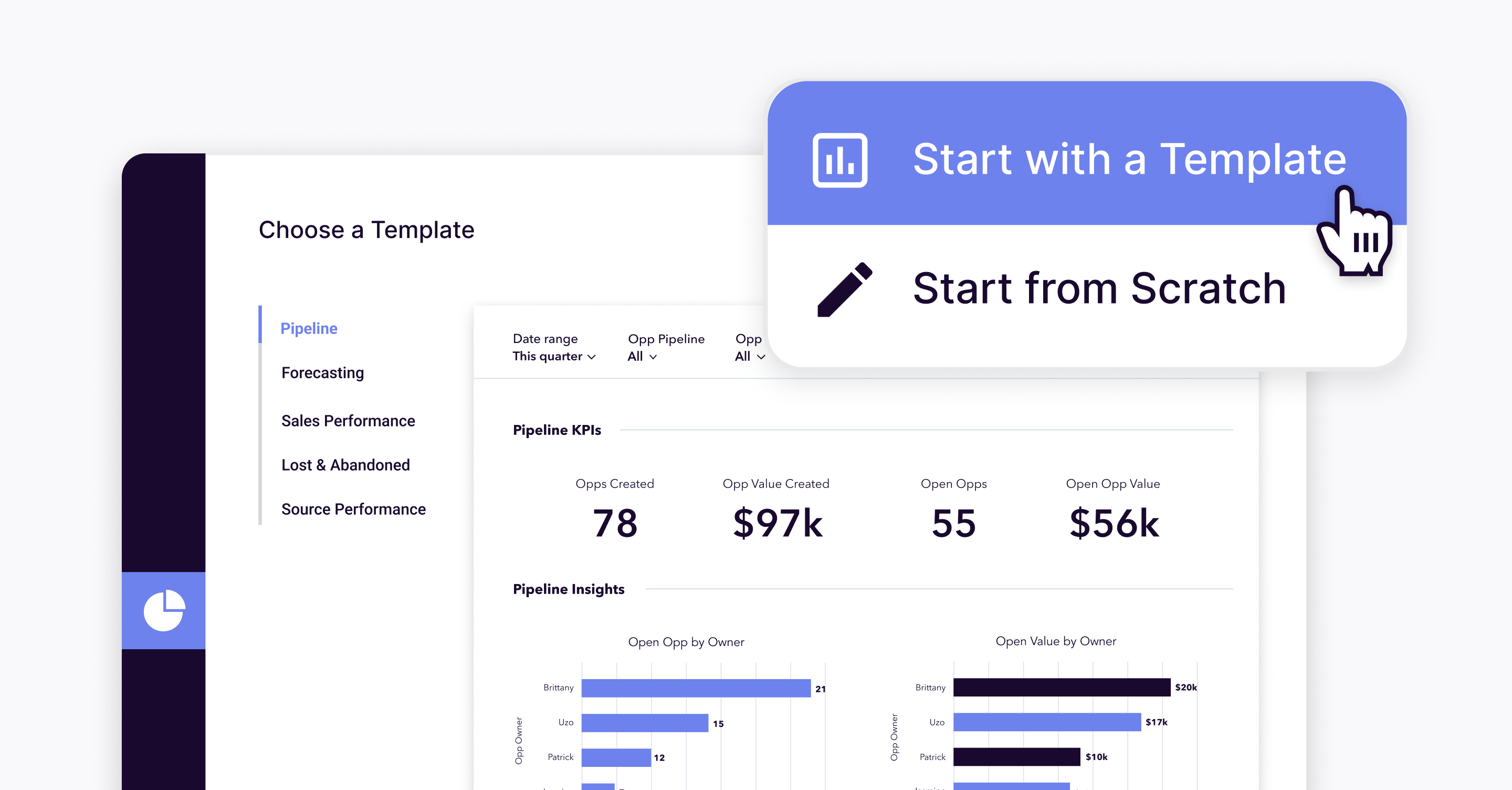
How to do it in Copper:
You can also create a separate dashboard just for weekly pipeline reviews. Keep it simple: “New deals this week,” “Proposals out,” “Deals stuck > 7 days.”
Reviewing this every Friday helps you catch problems before they snowball.
Partnerships work best when you can actually see what they’re delivering. But if you’re not tracking this in your CRM, you’ll never know which relationships are truly fueling growth and which ones are just nice-to-have.
In Copper, you can keep it simple by adding a custom “Partner” field right inside your deals. Every time a project comes through a referral, tag it with the partner’s name. Over time, you’ll see clear patterns: which partners send the most opportunities, which ones send the best clients, and where you might want to double down (or rethink).
How to set it up in Copper:
Now because this field lives on every deal, you’ll see partnerships right inside the Pipelines you’re already working in. Each card can show the partner name at a glance, so you know exactly which open opportunities came from which relationship.
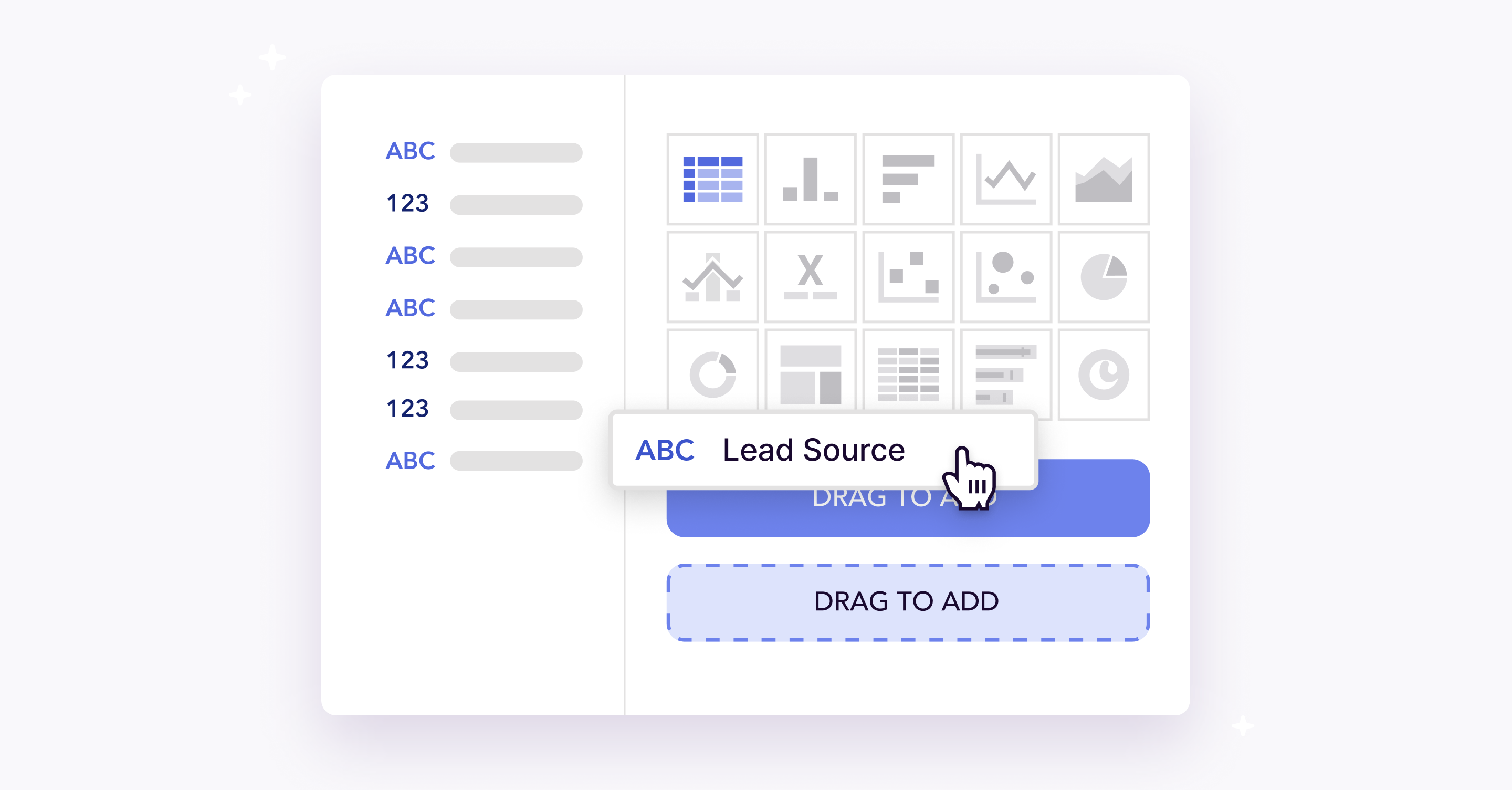
When it’s time to review, filter or build a report:
Pro tip: Bring these numbers into your partner check-ins. Imagine being able to say, “You sent us $75K in deals last quarter, and we’ve sent you three projects worth $50K. Here’s how we can grow this together.” That kind of clarity builds stronger, longer-lasting partnerships.
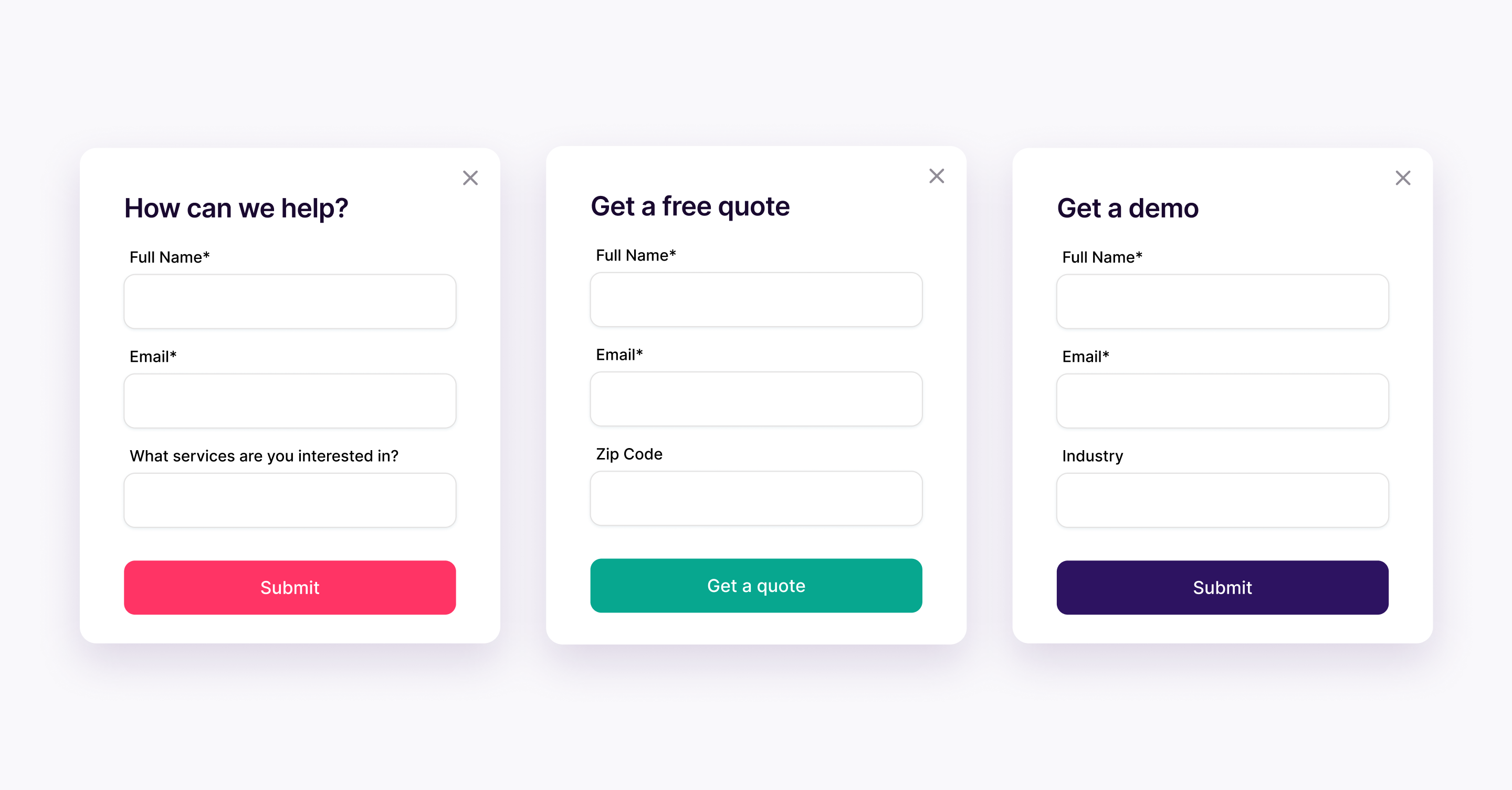
Every agency has had it happen: someone fills out a website contact form, and the message gets lost in the inbox shuffle. Or you’re copying data from a third-party form tool into your CRM by hand (which usually means things slip through the cracks). That’s where Copper Forms come in.
Instead of juggling tools, Copper Forms feed inquiries straight into your pipeline. Every submission becomes a tracked opportunity with the details you care about already filled in — things like project type, budget range, or timeline.
Here’s what makes them powerful:
How to do it in Copper:
Pro tip: Create different forms for different entry points — an “Inquiry” form for general leads, a “Learn More” form for content or events, and a “Request a Demo” form for prospects who are ready to see your work in action. That way, you can route each type of lead to the right pipeline stage and tailor your follow-up.
Growing a dev agency isn’t about doing everything at once — it’s about making steady, intentional moves that build on each other. Think of this playbook as your starting framework. Now it’s time to put it into action.
Here’s where to begin:
The truth is, scaling a dev agency isn’t about being the fastest coder or chasing the biggest client. It’s about building systems that let great work turn into repeatable growth. That’s exactly what Copper is built for — helping agencies like yours create predictable pipelines, manage relationships, and see the big picture at a glance.
Start your 14-day free trial of Copper and turn your systems into growth engines. Build better pipelines, automate the busywork, and actually see what’s moving the needle.
And if you want a partner to help refine your approach or if you’re in need of help scaling your dev agency, book a free strategy call with Haus Advisors to talk through your goals and build a smarter path forward.
Instant activation, no credit card required. Give Copper a try today.